
Discussion series
- Wednesday, November 11, 2026 12:00 pm – 2:30 pm Save in my calendar
Borders, Rights and Human Security: The Common European Asylum System (CEAS) Reform in Practice
Human Security Salon 10
The reform of the Common European Asylum System (CEAS), aka the Pact on Asylum and Migration that entered into application on 12 June 2026, represents a major restructuring of European asylum policy. Presented by EU institutions as a means of harmonising procedures, improving the management of migration and establishing a more predictable system of responsibility-sharing, the reform also reflects a broader political shift towards tighter control, accelerated procedures and the restriction of access to protection.
A central question is whether the reform will deliver what its political proponents promise — and at what human cost. While the new framework is intended to become operational across the EU, its implementation cannot be taken for granted. Political disagreements, administrative capacities, national interpretations and legal confusions may shape how the rules are applied in practice and how they affect people.
Many member states are choosing a partial approach to implementing the complex reform package. They have focused on punitive measures and gone beyond the requirements (e.g. regarding detention) whilst simultaneously ignoring their fundamental rights obligations and failing to invest seriously in relevant safeguards such as guarantees for children or the use of vulnerability/special needs assessments.
At the same time, the new framework raises a more fundamental question about the direction of European asylum policy: Is the objective to organise access to international protection more effectively, or to reduce the number of people seeking asylum by an even further expanding range of restrictive measures? The political emphasis on preventing arrivals, accelerating procedures, expanding border procedures and increasing the prospect of return invites critical examination of how the pursuit of lower asylum numbers interacts with the fundamental right to asylum and the obligations to provide effective protection.
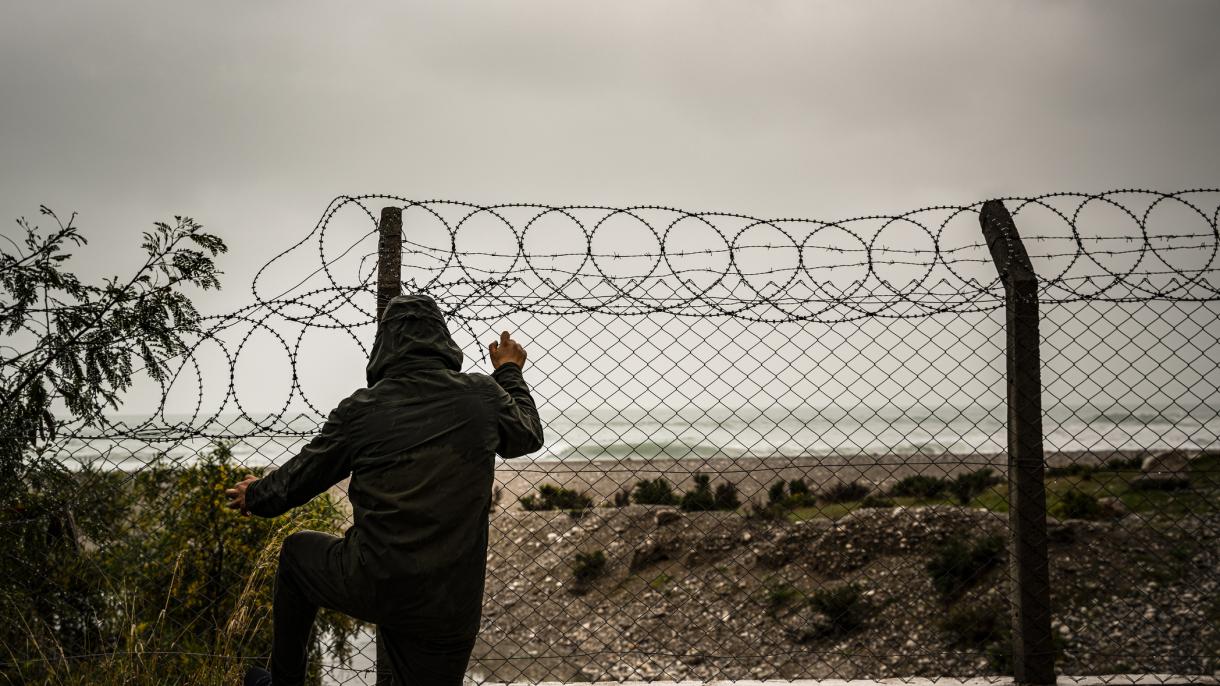
The Human Security Salon at the Heinrich-Böll-Stiftung in Vienna will examine the CEAS reform at the intersection of political ambition, legal obligations and implementation on the ground. It will explore the restrictive dimensions and the consequences for people seeking protection in Europe. With perspectives from civil society, journalism and asylum policy, the salon will focus on Austria and Europe’s external borders as well as the role of politicians, practitioners and civil society in challenging practices that undermine access to protection and upholding the right to asylum in Europe.
Speakers
- Parwana Amiri, author and activist, Bremen
- Franziska Grillmeier, journalist and author, Lesbos/Munich
- Lukas Gahleitner-Gertz, lawyer and spokesperson, asylkoordination österreich, Vienna
- Robert Nestle, director, Equal Rights Beyond Borders, Berlin/Athens
Please make sure to register by 9 November. You will receive more details and the Zoom link for virtual participation after registration.
If you have any questions, feel free to contact Kirsten.Krampe@at.boell.org.
- Timezone
- CET
- Part of the series
- Human Security Salons
- Address
- Eßlinggasse 9/6, 1010 Vienna, Austria & Online
- Organizer
- Global Unit for Human Security
- Language
- English
-
Information
-
Kirsten KrampeHead of Program International Migration PolicyKirsten.Krampe@at.boell.org