
 This image is licensed under Creative Commons License.
- Thursday, 26. January 2017 4:00 pm – 6:30 pm Save in my calendar
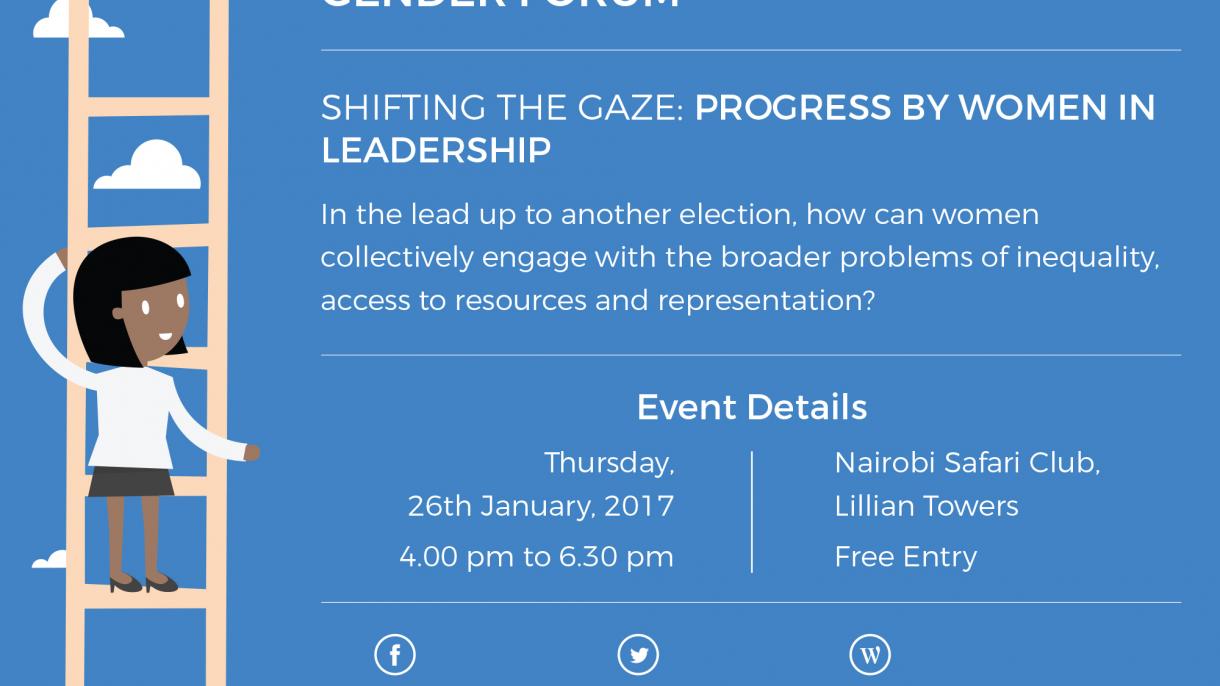
Shifting the Gaze: Progress by Women in Leadership
Thursday 26th January, 2017 | Lillian Towers | 4.00 pm to 6.30 pm | Free Entry
The Fourth World Conference on Women in Beijing, China in 1995 attracted 17,000 participants and 30,000 activists. The purpose was one in mind: the achievement of gender equality and the empowerment of all women, everywhere. One may rightly argue that the fight for gender equality is a gigantic task - a laborious task that is likely to achieve resistance from those who benefit from patriarchy. The task is laborious precisely because it seeks to destabilize existing power relations. More than two decades post the Beijing conference, progress is evident, but we cannot pop the champagne yet. Now, feminists are critically reflecting on the taken for granted terms like representation, empowerment, and even equality itself. This calls for an act of critical introspection, because it allows us to pose and unpack some of the achievements - if there are any, which have been made. We think about the chips that have fallen along the way and what this means to the broader process of chipping at patriarchy.
The forum seeks to have a positive lens that discusses some of the achievements women have made and what these mean to the broader questions of representation, empowerment and equality. Presently, women occupy 26 percent of President Kenyatta’s Cabinet, while 37 percent are principal secretaries. The judiciary, argued to be doing better, stands at 39 percent of women high court judges. If we go by the requirements in the Constitution, Kenya is yet to meet the minimum threshold for representation of women. This means that women are underrepresented in all facets of the political process often due to social-cultural barriers, the absence of training and resources for women’s political organizing, standards of living and precarious economic challenges. Much focus has been paid to these challenges with very little focus on the achievements women have made despite the structural barriers they face. This forum shifts the gaze to speak of progress made-and the options this progress unhinges.
Key discussion points:
- What are some of the achievements made by women in leadership?
- Beyond the absurd monikers given to Women Parliamentarians, have they made any significant impact in representing the people?
- What are some of the ways that we can address present challenges of patriarchy?
- In the lead up to another election, how can women collectively engage with the broader problems of inequality, access to resources and representation?
Invited Speakers:
- Daisy Amdany (Chairperson Women’s Political Alliance-Kenya)
- Hon Mary Emase (Member of National Assembly-Teso South)
- Senator Fatuma Dullo (Nominated Senator)
- Bina Maseno (Founder of Badili Africa-Journalist, Community Leader and Mentor of Young Women)
- Jessica Musila (Executive Director, Mzalendo)
Facilitated By:
- Christine Nguku (Media Consultant)
Format of Discussion:
A panel discussion contextualizes issues to the audience. This is infused with public dialogue and Q&A where the audience engages with the panel and forum.
About the Foundation
Being part of the Green political movement that has developed worldwide as a response to the traditional politics of socialism, liberalism, and conservatism, the Heinrich Böll Stiftung is a Green Political Foundation, affiliated to the German political party “Alliance ’90 / The Greens”. The regional office for East and Horn of Africa is a people-centric green think-tank, based in Nairobi since 2001. In our work, we facilitate open dialogue, undertake studies and forge partnerships with and among communities in East & Horn of Africa along the core themes of Gender, Environment, Democracy and International Dialogue.
About the Gender Forum
The Gender Forum is a monthly public dialogue convened by the Heinrich Böll Stiftung since 2001, encouraging dialogue on pertinent national social issues with a gendered lens. It brings together scholars, law- makers and implementers, civil activists, government institutions, students and the general public, aiming at sharing knowledge and inspiring gendered analysis of policy and programmes.
Files
- Part of the series
- Gender Forum